
Aquaman, my grandfather
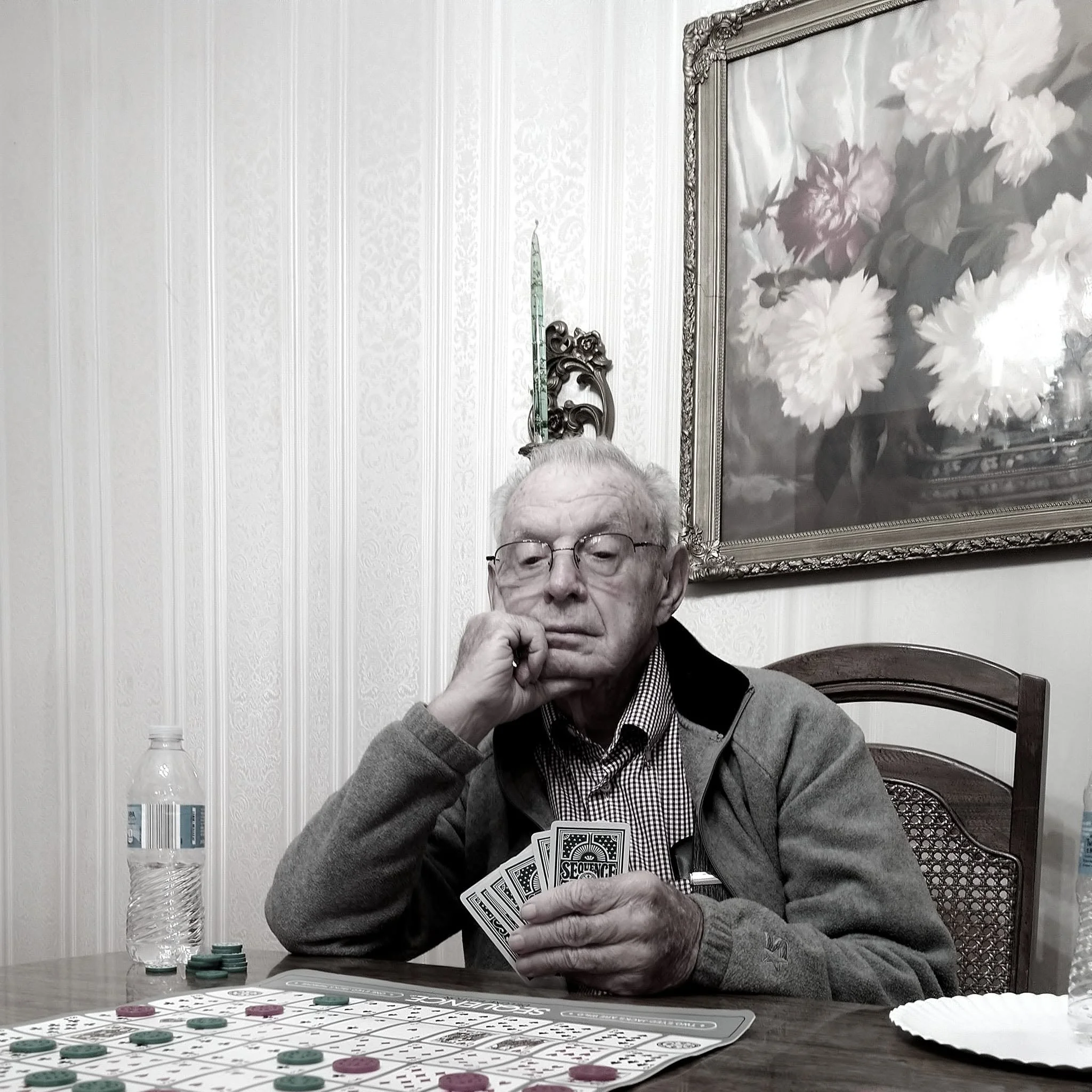
I snuck this photo of Papa Don at his last Thanksgiving.
In a local writer’s group I’ve been attending this summer, we do a writing prompt at the start of each meeting, and I’ve been sharing some of my results. The first one I did was a poem, which I hadn’t written a poem in like 20+ years, so that was different. I posted that one on my author blog though — you can read it here (it’s about unsolicited dick pics and is called No Thank You).
The most recent one we did resulted in me writing a nonfiction piece about my grandfather, Papa Don. I’d like to share that one here today. It taps into a space I’ve been thinking of writing lately, which is to dabble in biographical or autobiographical writing. When I was younger, I hated the idea of writing in those genres, and assumed I never would. Lately, though, it has intrigued me. If you enjoy this experiment from me, and would be interested in reading more biographical or autobiographical work from me, please let me know in the comments.
Aquaman
Growing up, my grandparents owned an old, tiny cabin at the Lake of the Ozarks. We would often abscond there, get up at the “crack of dawn,” as our grandfather called it, and fish on the lake for hours. Sometimes catching as much as 40 bass fish that our grandfather would filet on the dock later. He’d deep fry some at the cabin and freeze the rest. Much of the frozen fish would make its way back to a small house outside Lebanon, Missouri, where his aging mother lived. It was her main source of meat, her three sons fishing and bringing her back the spoils. A sort of aquatic ritual of thanksgiving for the bravery she showed them by leaving their alcoholic father and the farm during the 1940s to become a single working mom to three boys.
All three sons would later serve during the Korean War, my grandfather joined the Navy which was his first relationship with water. Aboard the USS El Dorado, they spent years on the oceans, and once were nearly cut in half at sea during a raging storm.
I never quite appreciated his relationship with the water until his passing a few years ago. I now own the wildly 70s cloth style artwork that my grandmother had bought him and that hung in their living room for over 40 years. It depicts an old, black ship being tossed to and fro in a storm at sea on a deep red cloth background in a wooden frame. When I look at it now, I can’t help but think of the storm that nearly killed him and all the men of the El Dorado, and how he spent so much of his life on bodies of water — including fishing at sea off Corpus Christi during his grief of losing his wife. The water grounded him.
